HealthyLife is a part of www.WeRIndia.com, an all India – centric website (https://healthylife.werindia.com) and is solely owned and operated by WeRIndia.com. It is a Indian nutritional portal providing educational articles.This nutritional port was launched on February 5th, 2015.
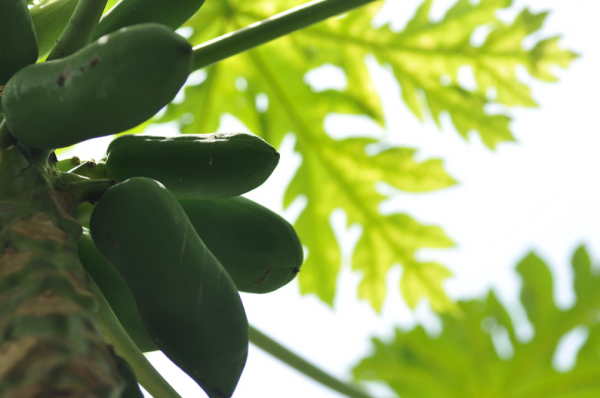
Raw papaya for good digestion & weight loss
We all know benefit of ripened papaya fruit. It is good for diabetes and reduces cholesterol. It also helps in weight loss and eases menstrual pain. Do you know raw papaya fruit also has several benefits?
It reduces piles, reduces intestinal worms, helps in easy digestion of food and reduces constipation. It is good for weight loss! With these uses, raw papaya also reduces nerve related problems. It is also good for diabetes. It contains vitamin A, C, E and Balong with minerals magnesium, potassium. Carotenoids present in raw papaya helps in easy absorption of vitamins from the body. Another use of raw papaya is it helps to improve lactation in new mothers. However, pregnant womenor expecting mothers should not consume papaya as it increases body heat.
Studies also show that as papaya ripens its enzyme level goes down. To get overall benefit of papaya one can think of consuming raw papaya. Another point to remember is, it has less sweet and supplies less calories, it means it is a good addition for weight loss diet program!
How to eat raw papaya?
One can use cooked raw papaya to make curry, sambaar, raita (yogurt based) or majjige huli (buttermilk based). Cooked raw papaya curry is easy to prepare and one will get overall benefits of the fruit.
What you need is:
Raw papaya – Small size (not too young fruit)
Onion – 1 cup
Garlic cloves – 5
Green chilli – 3
Grated coconut- ¼ cup
Turmeric powder – 1 tsp.
Salt – As per your taste
Curry leaves – few
Preparation:
Remove papaya skin and cut inner raw pulp into small pieces and put in water. Throw seeds.
Coarse grind coconut, green chilli, garlic, turmeric powder. Do not add water while grinding.
On medium heat, keep a deep vessel and add 1 Tbsp cooking oil. To this add mustard, curry leaves, chenna daal (1 tsp), urad daal (1tsp) and onion. Fry onion for couple of minutes.
Strain water and add only papaya fruit pieces to above seasoning and mix well.
Add salt and half a cup water and close the lid. Keep stirring in between.
Once the water is evaporated, check whether papaya pieces cooked or not. If not cooked sprinkle little water and continue cooking for few more minutes.
Remove cooked raw papaya curry and serve hot with rice or roti or eat just the curry as it tastes good.
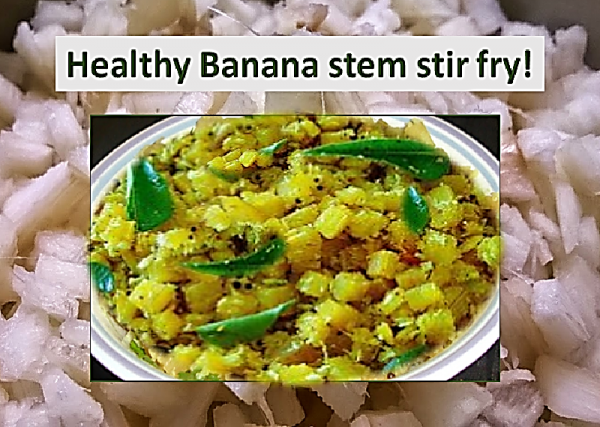
Have you ever tried banana stem curry or banana stem stir fry? Banana stem is a delicious and healthy vegetable.
While banana fruits are known for unique health benefits, banana stem also known for its amazing health benefits. It is a very rich source of fiber. And, it is good source for reducing fat. Banana stem juice is good for removing kidney stones.
The fiber in banana stem flushes any unwanted materials from our digestive system. It is good for detoxification and digestion.
Banana stem curry or banana stem stir fry is a simple, easy to prepare dish that you should give it a try!
Our motto was to “Celebrate the most important women in your life this Mother’s Day!“
We asked our users aka WeRIndians to share their family’s best, favorite food recipe in the comment section of our Facebook page and they could win a gift hamper to pamper their Mom like she deserves. And, guess what… we have received an amazing response from our participants in the contest.
My Ultimate & the most healthy snack is “Oats Cutlet”.
And here’s the ‘Oats Cutlet‘ recipe:
Ingredients:
Oats – 1cup
Onions – 1 cup (finely chopped)
Potatoes (boiled and mashed) – 4
Red chilli powder – 1/2 tsp
Chaat masala – 1/2 tsp
Cumin Powder – 1/2 tsp
Garam masala – 1/4 tsp
Coriander Powder-1/2 tsp
Paneer-150 gms
Salt – to taste
Bread crumbs – 1/2 cup
Cornflour (for paste,mixing with water)
Green Chillies –(finely chopped) if required
Olive Oil
Coriander leaves – (finally chopped)
Method:
Dry roast the oats and keep it aside.In a separate bowl Add mashed potatoes and grated paneer and chopped onion now add the red chilli powder, chaat masala, cumin powder, garam masala and coriander powder, salt and the chopped fresh coriander and mix well. Then add roasted oats and mix well.
Divide to 11 or 12 equal parts and make it as round flat or oval shaped or heart shaped cutlets.
Coat both sides with cornflour paste quickly then coat each cutlet with bread crumbs/Rusk crumbs.
Heat a pan and sprinkle little olive oil and place the cutlets.When the bottom side turns golden brown, turn the other side.
Remove when the other side also turns golden brown.
Serve hot with tomato ketchup/green chutney.
Note:You can add vegetables like boiled peas/chopped capsicum/grated carrot.
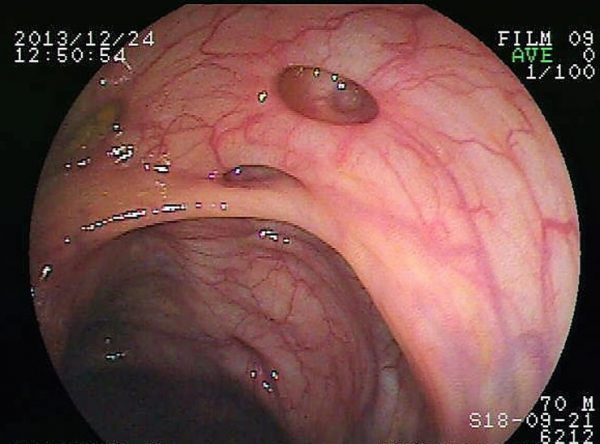
Inflammatory bowel disease (IBD) is a term for two conditions – Crohn’s disease and ulcerative colitis both are chronic inflammation of the gastrointestinal (GI) tract. IBD often mistaken as IBS – Irritable bowel syndrome.
Symptoms of Inflammatory bowel disease are:
Persistent diarrhea
Abdominal pain
Rectal bleeding/bloody stools
Weight loss
Fatigue
To diagnose IBD endoscopy is used for Crohn’s disease and colonoscopy for ulcerative colitis. With these imaging studies, MRI, computed tomography or CT are used. Doctors will check stool samples to check any possible infection or run blood test to confirm their diagnosis.
Crohn’s Disease: Can affect any part of the GI tract from mouth to anus). Most often it affects the portion of the small intestine before the large intestine/colon.
Damaged areas appear in patches that are next to areas of healthy tissue
Inflammation may reach through the multiple layers of the walls of the GI tract
Ulcerative Colitis: Occurs in the large intestine (colon) and the rectum
Damaged areas are continuous (not patchy) – usually starting at the rectum and spreading further into the colon
Inflammation is present only in the innermost layer of the lining of the colon
How is IBD treated? Different types of medications including immunomodulators, corticosteroids, aminosalicylates are used. To prevent infections vaccinations are recommended. Severe IBD required to remove damaged portion of GI. Now a days surgery is uncommon due to advances in treatments. Both Crohn’s disease and ulcerative colitis require different types of surgeries.
How to manage IBD?
Cause of IBD is still not totally understood and it cannot be prevented. However, IBD symptoms can be managed to prevent complications.
Stop smoking. Smoking worsens treatment outcomes and increases flares-up among patients with Crohn’s disease.
Get recommended vaccinations. IBD patients treated with certain medications have a higher risk for infection.
Ask your doctor if you should be screened for colorectal cancer. Patients with IBD may need to start screening for colorectal cancer before age 50.
If you are a woman with IBD, talk to your doctor about how to prevent cervical cancer. Patients with IBD are at higher risk of cervical cancer.
Ask your doctor if you need a bone density test. Certain medications used to treat IBD may increase your risk for osteoporosis.
Diet & Nutrition: Diet and nutrition helps to prevent IBD. But diet or food does not initiate IBD.
Eat smaller meals at more frequent intervals. Eat five small meals a day, every three or four hours, rather than the traditional three large meals a day.
Reduce the amount of greasy or fried foods. High-fat foods may cause diarrhea and gas if fat absorption is incomplete.
Watch dairy intake. Persons who are lactose intolerant or who are experiencing IBD or IBS may need to limit the amount of milk or milk products they consume.
Restrict the intake of certain high-fiber foods. If there is narrowing of the bowel, these foods may cause cramping. High-fiber foods also cause contractions once they enter the large intestine. Because they are not completely digested by the small intestine, these foods may also cause diarrhea.
Avoid problem (trigger) foods. Eliminate any foods that make symptoms worse. These may include “gassy” food (such as beans, cabbage and broccoli), spicy food, popcorn and alcohol, as well as foods and drinks that contain caffeine, such as chocolate and soda.
Foods to try: Bananas, applesauce, canned varieties of fruit, White bread, crackers made with white flour, plain cereals, White rice, refined pastas, Potatoes without the skin, Cheese (if you’re not lactose intolerant). Smooth peanut butter, Bland soft foods, Cooked vegetables, Canola and olive oils, Low-sugar sports drinks and Crystal Light diluted with water
Foods to avoid: Fresh fruit (unless blended or juiced), Prunes, raisins or dried fruit, Uncooked vegetables and raw foods, High-fiber foods (such as fiber-rich breads, cereals, nuts and leafy greens), High-sugar foods, Skins, seeds, popcorn, High-fat foods, Spicy foods, Beans, Some dairy products, Large food portions, Caffeine in coffee, tea and other beverages, Ice-cold liquids (even water)
Managing stress helps to reduce IBD symptoms. Getting enough sleep, nurturing body with healthy tips, enough physical activities prevents prolongation and pain caused by IBD.
For more on Inflammatory Bowel Syndrome please visit:
Stay in the kitchen: Keep an eye on cooking. Do not leave cooking area unattended because the number one cause of cooking fire is not paying attention and unattending.
Check food regularly. If you are roasting, simmering, seasoning, baking, frying it is important to keep an eye on food. You can also use a timer to remind you to check on dish.
Oil: If oil is too hot or seasoning is not done properly, oil will attract fire. Do not overheat oil. Overheated oil will spill out and can cause ignition.
Keep stove top clear: Do not place dishtowel, paper towel, oven mitts on stove top. These materials can catch fire.
Clothing: Do not wear lose clothing while cooking. Wear short or close-fitting sleeves.
Clean cooking surfaces:Use a proper liquid and remove food and grease build up.
No gasoline: Do not store gasoline inside the kitchen and house. Likewise, do not keep store solvents, flammable materials, cleaners close to stove surface.
Vessels: Pan and pots that have handles should have proper handle covered with fire resistant material.
Gas cylinder: Learn how to open and lock gas cylinder. Learn safety measurements while handling gas cylinder. If gas is leaking, open all the windows. Let the gas empty kitchen and house. Do not light the gas.
Watch children: Do not leave children unattended in kitchen while cooking. When old enough, teach children fire safety.
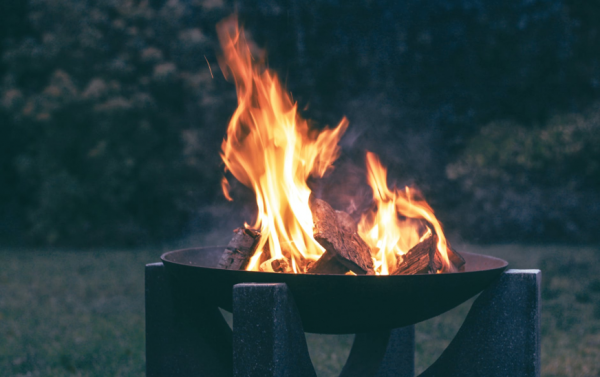
Grill: If you are using grill, be sure to keep it clean and away from materials that could catch on fire. If you are using starter fluid be careful. Propane gas tanks should be checked for leaks on regular basis
How to extinguish fire?
Slide a pan lid over flames to smother grease or oil fire and turnoff the heat. Leave the lid in place until the pan cools.
Use baking soda to extinguish food fires. Do not use water or flour on cooking fires.
Keep the oven door shut and turn off the heat to smother an oven or broiler fire
Keep a fire extinguisher in the kitchen and learn how to use it.
Smoke detector: Have a working smoke detector at home. Change the batteries twice a year.
Always have fire department number handy and if you feel fire cannot be contained call emergency number and get out of the house. While leaving, close the door behind you to help contain the fire.